The Ultimate Guide to Higgsfield AI: Agentic Workflows, Seedance 2.0, and Advanced Prompt Engineering

When you are a creative strategist running a hyper-rapid AI-driven development studio as a solo venture, efficiency is everything. You cannot afford to get bogged down in manual prompt tweaking or disjointed tool-hopping. You need workflows that scale and models that deliver predictable, high-fidelity results.

Based on insights straight from Higgsfield’s engineering team, alongside the latest platform evolutions as of May 2026, here is the comprehensive playbook for mastering the Higgsfield ecosystem.

The Engine Room: Choosing the Right Model

Higgsfield operates as a hub for multiple top-tier models. Choosing the right engine for the task is critical for maintaining a streamlined pipeline:

Minimax (Hailuo): Use this when strict control is your top priority. Minimax has the highest prompt adherence of the video models on the platform. It is the recommended choice when you need to manually prompt complex, specific camera movements.

Nano Banana Pro (NBP): This is the workhorse. It powers Higgsfield’s proprietary tools like Cinema Studio and the AI Influencer apps. It is heavily utilized by professionals for base image edits, angle changes, and character composition.

Kling: A solid choice for establishing start and end frames. It is also highly effective for motion control; when transferring facial expressions, the model pulls mimics and movements strictly from your reference video, overriding the original image’s expressions.

Prompt Architecture: JSON vs. Natural Language

If your goal is rendering minimalist, high-fidelity creatives—perhaps leaning into a Quiet Luxury or Old Money aesthetic—structuring your constraints is non-negotiable.

Plain text prompts can sometimes become messy, making it difficult for the model to understand your exact requirements. To achieve predictable results, categorize your prompt into specific constraints:

Setting: Describe the environment.

Outfit: Detail the clothing and accessories.

Lighting: Define the exact lighting conditions.

Camera: Outline the camera style and movement.

Because JSON inherently organizes information using structural keys, it can often seem to perform better for complex tasks. Highly structured JSON prompts are strongly recommended when generating a specific scene, executing a targeted camera movement, creating multishot videos, or designing a character with precise physical traits. For general use where consistency isn’t strictly required, simple one-sentence text prompts are perfectly fine.

The Agentic Workflow: Automating Prompt Generation

Writing highly structured JSON or parameter-based prompts manually for every generation is tedious. The optimal workaround is to integrate LLMs like Gemini or Claude as intermediaries.

Establish a System Prompt: Describe your ultimate goal to the LLM and list all the visual constraints you need included.

Generate Structured Outputs: Instruct the LLM to act as an automated prompt generator that rewrites your instructions into Higgsfield’s required structure.

Modify the System, Not the Prompt: When you find a weak spot in the generated outputs, simply add new rules to the LLM’s system prompt rather than fixing individual video prompts manually. This creates a self-refining loop that scales beautifully.

Pro-Level Ecosystem Hacks

Navigating AI video generation requires a mix of technical structure and creative problem-solving. Here are top workarounds directly from the developers:

The “Double-Bind” for Character Consistency: When using the AI Influencer mode, do not rely on your image attachment to do all the heavy lifting. To stop the model from hallucinating physical traits, you must explicitly describe the character’s appearance in your text prompt alongside the image attachment.

The Camera Context Trick: Stating “pan left” or “zoom in” is rarely enough. The hack is to state the camera movement, and then immediately describe what is happening to the subject and the setting during that movement so the model understands the spatial context.

The Supercomputer Era: Complete Pipeline Orchestration

Context switching between models and assets is a major bottleneck for solo operators. The recently launched Higgsfield Supercomputer shifts the workflow entirely from manual tool-hopping to agentic orchestration.

Running on the Hermes Agent logic engine, this cloud-native stack allows you to run an entire creative pipeline from a single interface. It uses a Three-Layer Memory Architecture (Short-Term Context, Long-Term Knowledge for brand identity, and Episodic Memory for successful past workflows) to maintain consistency. You define the goal, and the agent autonomously utilizes over 40 built-in tools to write the script, prompt the models, and route the final assets.

Next-Gen Visuals: Integrating Seedance 2.0

Fully integrated into the Higgsfield ecosystem, ByteDance’s multimodal foundation model, Seedance 2.0, solves the final hurdles of AI video:

Omni-Reference Identity Locking: You can now upload up to 12 mixed reference inputs (text, image, video, audio). The model assigns distinct “identity slots” to each, allowing you to generate multi-character scenes where distinct subjects interact without their physical features bleeding together.

Native Audio-Video Sync: Seedance 2.0 utilizes a Dual-Branch DiT architecture. It calculates pixel latents and waveform latents simultaneously. If a visual action happens on screen, the model generates the exact sound effect at the exact same time, creating perfect native synchronization without the need for post-processing Foley.

By combining Seedance 2.0’s pixel-perfect character consistency with the Supercomputer’s automated workflow orchestration, producing cinematic, high-fidelity content at an unprecedented scale is now a reality.

How Influencers Can Shake Up Your Branding Game

We’re swimming in ads these days, and honestly, attention’s just something you rent for a sec. But influence? That’s the stuff you own, and it sticks with people. Whether you’re dropping a new product, switching up your brand, or trying to win over a fresh crowd, influencers can do what boring old ads can’t— they make folks actually give a damn.

From Impressions to Real Vibes

Most ads interrupt your scroll, right? Influencers, though? They slide right in like a friend chatting. When someone you trust raves about a product, it’s not some sales pitch—it’s their take, and that changes how people see your brand.

Check this: 61% of us trust what influencers say more than some polished brand post. That’s not just likes—it’s real feels. And in branding? That’s the gold, bro.

Micro Influencers, Big Wins

Forget chasing celebs with millions of followers. In 2025, it’s all about those micro and nano creators—10K to 100K followers—who are killing it. They’ve got mad engagement, nail niche crowds, and keep it real, not botty.

Take a mom blogger with 25K followers in Sharjah—she might outsell a big-shot celeb when it comes to baby stuff. Relevance over reach, every time.

Your Brand’s Visuals, Made Human

Let’s be real: even the slickest brand pics can feel kinda fake. Influencers bring that human touch—raw, relatable, and straight-up cool. Think unboxings or “day in my life” vlogs that people actually watch and save.

And the best part? You can reuse that gold in ads, toss it into emails, or slap it on product pages for instant cred.

Jumping Into Culture

Trends don’t kick off in some stuffy office—they start with creators in their rooms. Wanna be part of the hype? Whether it’s Ramadan in UAE, Onam in Kerala, or K-drama memes on Insta, influencers can weave your brand into those moments.

That’s culture cred, bro—the rarest kind of brand love.

Stick With It, Not One-and-Done

Most brands drop one post and call it a day—like hitting the gym once and expecting abs. Long-term collabs with creators build that “oh, they’re with that brand again!” vibe, plus trust and recall. Branding’s all about showing up, and influencers are your hype squad.

Content That Lives, Bro

Unlike ads that vanish when the budget’s gone, influencer posts hang out on their profiles for months—sometimes years—pulling in organic views. You can even license them for ads or retargeting. You’re not just buying a post; you’re investing in realness, staying power, and shares—and legit brand buzz, not sketchy clicks.

What We’re Up To at Social Donut

At Social Donut, we’ve got an AI-powered Content Studio making this easier: matching creators to your crowd, whipping up briefs with AI, and turning their stuff into killer ad assets. Influence ain’t luck—it’s a system, and we help you run it.

TL;DR

Influencers aren’t just content makers—they’re trust builders, culture connectors, and brand champs. Ditch the ad-only grind; with influencers, you’re owning the conversation. Stop yelling, start vibing!

Good Brands Feel Like Inside Jokes with Their Audience

In a world saturated with polished advertising and algorithmic targeting, the brands that truly resonate aren’t necessarily the loudest ones. They’re the ones that make you feel like you’re part of something exclusive—a knowing wink, a reference that hits perfectly, a moment where you think “they get me.” This is the essence of community-driven branding: creating connection through shared understanding.

From Broadcasting to Building Belonging

Traditional branding operated on a broadcast model—craft one message and blast it to everyone. Today’s most successful brands have shifted to a belonging model, creating spaces, symbols, and language that feel like secret handshakes with their audience.

Modern consumers don’t want to be treated as passive recipients of marketing messages. They want to feel like insiders, collaborators, and community members who share in something meaningful.

Consider these examples of brands that have mastered this approach:

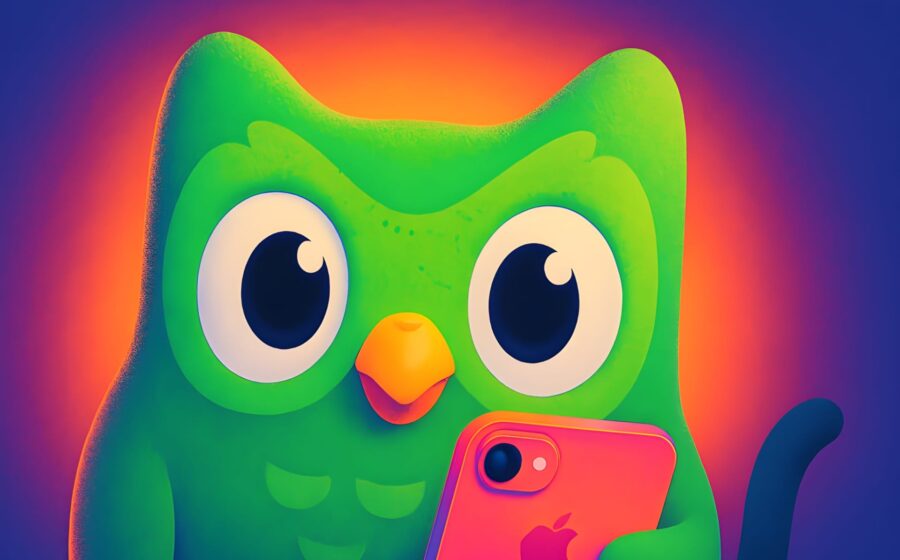
Duolingo transformed language learning by embracing chaos and memes. Their passive-aggressive owl mascot became a cultural phenomenon because they understood their audience’s relationship with procrastination and guilt. The brand doesn’t just teach languages; it creates shared experiences around the struggle of learning.

Liquid Death sells water with death-metal aesthetics. This shouldn’t work, but it does because they understand their audience’s desire to rebel against wellness culture while still making healthy choices. The brand is the joke, and customers are in on it.

These brands have transcended traditional marketing to become cultural touchstones.

The Anatomy of an Inside Joke Brand

Authentic Language Ditch corporate speak for conversation that feels natural to your community. Use the phrases, references, and tone that your audience actually uses. This doesn’t mean being unprofessional—it means being genuinely relatable.

Intentional Imperfection Perfect polish can feel sterile and distant. Strategic imperfections—quirky design elements, playful interactions, unexpected details—make brands feel human and approachable. These elements shouldn’t feel accidental; they should feel intentionally crafted for those who notice.

Community-Centric Content Make your audience the hero of your story. Share their creations, amplify their voices, and let them help shape your brand narrative. When people see themselves reflected in your brand, they become invested in its success.

Shared Rituals and References Develop recurring themes, mascots, or phrases that become part of your community’s shared vocabulary. These elements create continuity and help people feel like they belong to something ongoing and meaningful.

Why This Approach Creates Lasting Value

Emotional Loyalty Trumps Transactional Relationships When people feel emotionally connected to a brand, they become resistant to competitive offers. They’re not just buying a product; they’re maintaining a relationship that feels personally significant.

Authenticity Creates Differentiation While competitors can copy your features, pricing, or even your marketing tactics, they cannot replicate the genuine relationships you’ve built with your community. Authentic brand connections create sustainable competitive advantages.

Organic Growth Through Genuine Advocacy When people feel genuinely connected to a brand, they share it naturally as part of their self-expression. This organic advocacy is more credible and cost-effective than paid promotion because it comes from authentic enthusiasm rather than financial incentive.

Building Your Brand’s Inside Jokes

Listen Before You Speak Spend time genuinely understanding your community’s language, frustrations, aspirations, and humor. Monitor social media conversations, engage in forums, and pay attention to how people naturally talk about your industry and their experiences.

Identify Your Community’s Shared Experiences What challenges, victories, or quirks do your audience members have in common? These shared experiences become the foundation for inside jokes and community bonds.

Create Space for Community Expression Design your brand systems to accommodate community creativity. This might mean flexible visual guidelines that allow for user-generated content, or social media strategies that encourage audience participation rather than passive consumption.

Embrace Vulnerability and Authenticity Share your brand’s imperfections, behind-the-scenes moments, and genuine perspectives. Authenticity creates permission for your audience to be authentic in return, deepening the relationship.

Iterate Based on Community Feedback Pay attention to how your community responds to different approaches. The best inside jokes evolve naturally through interaction and shared refinement.

The Long-Term Impact

Brands that successfully create inside joke relationships with their audiences achieve something remarkable: they become part of their customers’ identity. People don’t just buy from these brands; they represent them, defend them, and evangelize for them.

This shift from transactional to relational branding requires patience and genuine commitment to community building. It’s not about manipulating emotions for short-term gains, but about creating authentic connections that benefit everyone involved.

The brands that will thrive in the coming years won’t just capture attention—they’ll cultivate belonging. They won’t just sell products—they’ll create meaning. And they won’t just have customers—they’ll have communities that feel like home.

In a marketplace crowded with perfect polish and algorithmic precision, the brands that dare to be genuinely human, authentically imperfect, and consistently caring will be the ones people remember, recommend, and remain loyal to over time.

This website uses cookies to ensure you get the best experience on our website.