Advait Panchal is a design-obsessed, growth-driven creative technologist who blends brand aesthetics with brutal marketing efficiency. He leads Social Donut, where startups and scale-ups come for design that sells and funnels that convert. He doesn’t just build websites or ads — he builds momentum. Quietly running the show, loudly letting results speak.
Let’s be real for a second. Most of you are obsessed with the wrong thing. You spend your days tweaking pixels, sweating over click-through rates, and acting like your targeting strategy is some kind of holy grail. Spoiler alert: nobody gives a damn about your “precision audience.” You’re chasing the crumbs while the whole cake is rotting right under your nose.
The data is out, and it’s a slap in the face: creativity is the only thing that actually moves the needle. If your ads are as dry as a desert, your ROI is going to stay in the gutter, no matter how many bots you target.
Stop Jerking Off to Vanity Metrics
Why are you so obsessed with “safe” metrics? Because they’re easy. It’s the marketing equivalent of a participation trophy. You’re hiding behind impressions, traffic, and engagement because you’re terrified of the real game: profit, market share, and actual, cold, hard growth.
The least confident marketers are the ones counting clicks. The heavy hitters? They’re playing for the long haul. They know that if your creative isn’t hitting the gut, you’re just wasting money on digital noise. You’re not being “data-driven”; you’re being lazy.
The “Targeting” Myth
We’ve been fed a lie that targeting is the secret sauce. Please. Precision targeting is like using a microscope to look at a tumor while ignoring the fact that your brand is bleeding out.
The multipliers don’t lie. Creative quality is a beast, dwarfing your pathetic little targeting tweaks. You are pouring your entire budget into the mechanism of delivery while starving the actual content of any personality. It’s like buying a Ferrari and then putting cheap, watered-down gas in the tank. Stop overvaluing the “where” and start giving a damn about the “what.”
The Four Commandments of Creative Success
If you want your brand to actually get laid in the marketplace; meaning, you want customers to actually pick you—you need to stop being so damn boring.
1. Make Them Feel Something, or Get Out
If your ad doesn’t make people feel something—joy, anger, lust, nostalgia, anything; you’re dead weight. Neutrality is the silent killer. Boring, “safe” ads are just expensive wallpaper. If you aren’t provoking a reaction, you’re just background noise that people scroll past without a second thought.
2. Don’t Be a “Ghost” Brand
There is nothing more pathetic than a great ad that nobody remembers. If you create a masterpiece but don’t make it blindingly obvious who you are, you’ve just done the heavy lifting for your competition. Build your distinctive assets, your jingles, your characters, your visual vibe and jam them down the audience’s throat until they can’t think of the category without thinking of you.
3. Stop Trying to Be “Safe”
Safe is for cowards. Safe is for brands that want to be forgotten. The most successful work is often the boldest, the most entertaining, and the most unapologetic. If you’re too scared to offend someone, you’re too scared to be memorable. Being ignored is the most expensive mistake you can make; don’t make it a habit.
4. Build a Legacy, Don’t Just Churn Content
Stop “refreshing” your brand every six months because some bored intern decided the old look was “dated.” Consistency is where the money is. Keep the same tone, the same assets, and the same damn message. That’s how you build mental real estate. Treat your creative like an asset that grows in value, not a disposable napkin.
The Bottom Line
Creativity is the only lever that actually compounds. Everything else is just incremental noise. As the rest of the market drowns in a sea of sterile, data-optimized, soul-crushing “performance” ads, the brands that lean into raw, emotional, consistent creativity are going to own the market.
Are you going to keep playing it safe and boring your customers into oblivion, or are you going to stop overthinking and start building something that people actually give a damn about?
Until recently, most AI video tools felt like experiments. You could type a prompt, generate a short clip, and maybe get something interesting. But the process still felt unpredictable. The faces could shift. The motion could break. The camera could feel fake. The result often looked impressive for three seconds and unusable after that.
Seedance 2.0 changes the conversation because it makes AI video feel less like random generation and more like controlled visual production.
The biggest shift is not just better realism.
The biggest shift is the workflow.
We are moving from text prompting to reference-led directing.
The Old Way of AI Video Was Too Random
Earlier AI video workflows were mostly prompt-first.
You would write something like:
“Create a cinematic influencer GRWM video with soft luxury lighting, skincare, makeup, hair styling, and outfit selection.”
The model would then interpret everything on its own.
Sometimes it would work. Sometimes it would create a generic influencer scene. Sometimes the person would look different from shot to shot. Sometimes the lighting would feel too polished, too artificial, or too obviously AI-generated.
That was the problem.
The prompt carried too much pressure. One paragraph had to define the character, setting, visual style, camera language, motion, mood, sequence, transitions, and realism.
That is not how real production works.
In real production, we use moodboards, references, shot lists, lighting references, styling references, location references, and character continuity.
Seedance 2.0 makes that kind of workflow far more relevant.
The New Workflow Is Image First and Prompt Second
A stronger AI video workflow now looks like this:
Create a visual sequence board first.
Use that board as a reference.
Then prompt Seedance to animate the sequence with realistic motion.
This is where things start becoming interesting for agencies, creators, and brands.
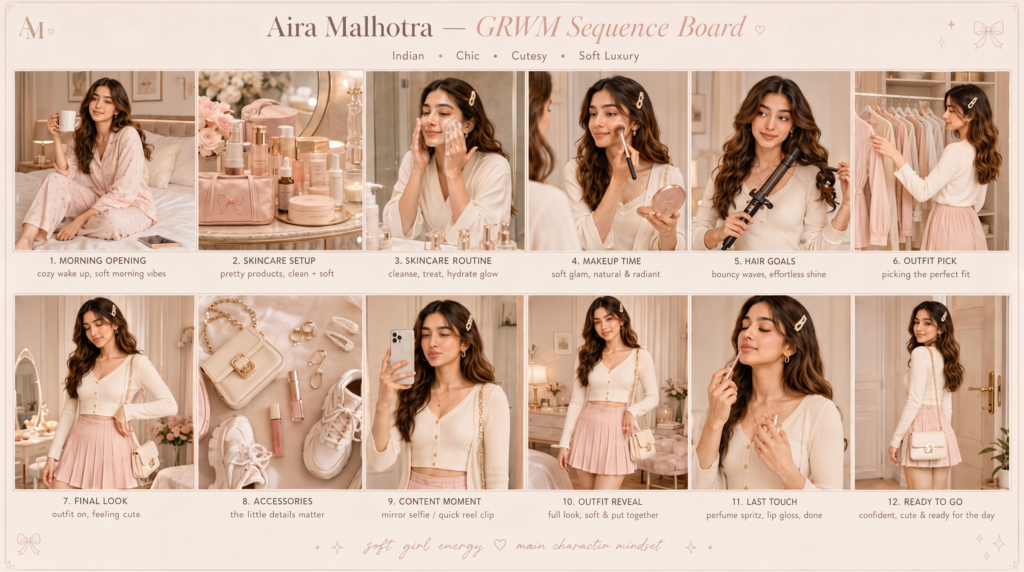
For example, imagine creating a complete GRWM sequence board of an Indian fashion and beauty influencer.
The board includes her morning opening, skincare setup, skincare routine, makeup time, hair styling, outfit selection, accessories, content moment, outfit reveal, last touch, and final ready-to-go shot.
The model is no longer inventing everything from scratch.
It has a visual blueprint.
That is the unlock.
Why This Example Matters
The GRWM example shows why Seedance 2.0 feels like a different category of tool.
The prompt itself is not extremely complicated. It is not a 500-word technical prompt. It is simple, clear, and production-oriented.
But the reason it works is because the reference image already does the heavy lifting.
The character is defined.
The styling is defined.
The color palette is defined.
The scene order is defined.
The mood is defined.
The camera world is defined.
The content format is defined.
Seedance can then focus on what it is good at: bringing the sequence to life.
This is a very different way to think about AI video.
The prompt is no longer the whole creative direction.
The prompt becomes the instruction layer on top of a strong visual system.
Prompting Is Becoming Less About Words and More About Taste
Most people think prompting is about writing better sentences.
That is only partly true.
In AI video, prompting is becoming about taste.
The best outputs come from people who understand visual language.
They know what warm luxury lighting looks like.
They know what a realistic influencer room should feel like.
They know when skin looks too plastic.
They know when motion feels too smooth.
They know when an AI scene looks fake because it is over-lit.
They know how to make a moment feel observed instead of staged.
This is why “cinematic” alone is not enough.
Everyone writes cinematic.
But cinematic can mean dark Netflix thriller, clean Apple commercial, dreamy Korean skincare ad, chaotic handheld documentary, or glossy perfume film.
A good prompt defines the exact cinematic world.
For the GRWM example, the visual world is not just cinematic. It is soft luxury influencer cinema.
That means warm practical lighting, gentle movement, delicate transitions, soft fabric textures, pastel styling, realistic beauty routine gestures, and natural camera rhythm.
Seedance 2.0 Makes Sequence Boards More Valuable
This is a huge shift for creative teams.
Earlier, a storyboard or moodboard was mostly a pre-production asset. It helped clients imagine the shoot before anything was filmed.
Now the storyboard can become the source material for the AI video itself.
That means a designer can create a 12-frame campaign sequence using GPT Image 2 or another image model. Then Seedance can use that visual system to generate a realistic motion version.
This makes sequence boards more powerful than ever.
A beauty brand can test a GRWM campaign before shooting.
A fashion brand can test outfit reveal reels.
A food brand can test recipe videos.
A real estate brand can test lifestyle walkthroughs.
A fintech brand can test founder-led explainers.
A D2C brand can test product routines.
An agency can pitch three different campaign routes in video form before production begins.
This does not remove the need for real shoots.
But it changes what happens before the shoot.
The idea can be seen earlier.
The client can approve faster.
The creative direction can become clearer.
The production team can understand the desired output better.
The brand can test multiple routes before spending on a full campaign.
Seedance Is Not Replacing Production Yet
It is tempting to say that Seedance 2.0 replaces video production.
That is not fully true.
There are still limitations.
Product accuracy can be difficult.
Hands can still behave strangely.
Faces may shift if the reference is weak.
Logos and text are still risky.
Complex multi-character scenes need control.
Exact brand assets may need post-production.
Final ad delivery may still need editing, sound design, grading, and human cleanup.
But for concepting, previsualization, social content testing, mood films, pitch videos, and early creative exploration, it is already extremely useful.
The correct way to use Seedance 2.0 is not as a magic button.
It should be used as a creative production layer.
The Best Prompting Formula for Seedance
A strong Seedance prompt should not be messy.
It should be clean, visual, and directional.
A useful structure is:
Subject
Scene
Action
Sequence
Camera
Lighting
Mood
Realism
Restrictions
For example:
“A cinematic influencer GRWM sequence featuring a stylish Indian creator in a soft luxury bedroom. Show her morning opening, skincare routine, makeup, hair styling, outfit selection, accessories, mirror selfie, final look, and ready-to-go moment. Warm creamy lighting, pastel pink and beige palette, elegant transitions, natural beauty gestures, realistic human motion, soft handheld camera feel, shallow depth of field, photorealistic skin texture, chic and aesthetic, no text overlays, no distorted hands, no fake glossy AI look.”
This gives the model a real production brief.
It tells Seedance what to show, how to move, what to feel like, and what to avoid.
The Real Skill Is Building the Input
The best AI video teams will not just write prompts.
They will build inputs.
That means:
Character sheets
Moodboards
Sequence boards
Product boards
Reference images
Camera references
Lighting references
Styling references
Shot-by-shot prompts
Negative prompt libraries
Brand-specific visual rules
This is where agencies can create real value.
Anyone can type “make a cinematic video.”
But not everyone can build a complete visual system that makes the video look intentional.
The GRWM example proves this clearly.
The prompt is simple because the reference is strong.
That is the future of AI video.
Strong inputs. Clear prompts. Better outputs.
What This Means for Brands
For brands, Seedance 2.0 opens up a faster way to test content ideas.
Instead of waiting weeks to visualize a campaign, a brand can now see a realistic draft in a day.
This is especially useful for:
Influencer campaigns
Beauty routines
Fashion reels
Product demos
UGC-style ads
Founder stories
Launch teasers
Website hero videos
Campaign mood films
Performance ad variations
The brand does not need to immediately commit to a full shoot.
It can first test the world.
Does this tone feel right?
Does this character work?
Does this product routine feel natural?
Does this campaign have motion?
Does this look premium enough?
Does it feel too AI?
Can this become a real shoot?
That is a major creative advantage.
What This Means for Agencies
For agencies, Seedance 2.0 creates a new service layer.
The agency can move from static moodboards to motion moodboards.
Instead of only presenting campaign routes as slides, agencies can present living campaign directions.
A beauty campaign can be shown as a realistic GRWM sequence.
A restaurant campaign can be shown as a cinematic food moment.
A real estate campaign can be shown as a lifestyle walkthrough.
A fintech campaign can be shown as a day-in-the-life visual story.
A fashion campaign can be shown as an outfit transition reel.
This makes creative pitching stronger.
Clients do not have to imagine as much.
They can see the idea.
The Future Is Not Prompt Engineering
Prompt engineering sounds too technical.
What we are actually moving toward is creative direction.
The best people using Seedance will not be the ones who know secret keywords.
They will be the ones who understand storytelling, framing, lighting, styling, emotion, realism, platform behavior, and brand tone.
They will know how to make something feel less AI and more human.
They will know when to use a reference image.
They will know when to use a sequence board.
They will know when to keep the prompt simple.
They will know when to control the shot.
They will know when to stop over-directing.
That is the new skill.
Not prompting.
Directing.
Final Takeaway
Seedance 2.0 changes everything because it makes AI video feel more controllable, more realistic, and more useful for actual creative work.
But the real breakthrough is not just the model.
The breakthrough is the workflow.
When you combine a strong visual reference, a clear sequence board, and a simple but well-directed prompt, AI video stops feeling like a random experiment.
It starts feeling like a production tool.
The GRWM example proves the point perfectly.
A single beautifully designed sequence board can become a realistic influencer video with the right Seedance prompt.
That is why the future of AI video will belong to creative teams who can think visually before they prompt.
There is a strange pattern showing up in Google Search Console for many brands.
Impressions are going up. Clicks are going down.
On the graph, it looks like a crocodile opening its mouth. The top jaw is impressions rising. The bottom jaw is clicks falling. This is now commonly called the Crocodile Mouth effect.
For marketers, founders, and SEO teams, it is one of the clearest signs that search behavior has changed.
People are still searching. Your brand is still being discovered. But users are not always clicking anymore.
Why?
Because Google AI Overviews, featured snippets, knowledge panels, Reddit threads, YouTube summaries, and AI chatbots are increasingly answering questions directly before a user reaches your website.
This is the zero-click reality.
The goal is no longer just to rank. The goal is to become the answer.
Why the Crocodile Mouth Effect Is Happening
Traditional SEO was built around one simple journey:
Search → Click → Website → Conversion.
But today, the journey often looks like this:
Search → AI answer → Brand mention → Later action.
A user may ask Google, ChatGPT, Perplexity, or Gemini a question and get a complete answer without visiting any website. For informational queries, this means the click may disappear completely.
For example, a user searching “best SEO agency in Mumbai for startups” may not click through ten agency websites. They may read an AI Overview, check a few brand names, look at Google Maps, skim Reddit or YouTube, and then search the brand directly later.
This means brands need to optimize not only for search rankings, but also for AI visibility, brand recall, local discovery, and action-driven intent.
Optimize for AI Overviews, Not Just Google Rankings
SEO is evolving into AEO: Answer Engine Optimization.
AI tools do not simply look for keyword-stuffed pages. They look for clean, structured, trustworthy answers that can be easily extracted, summarized, and cited.
To improve your chances of being included in AI Overviews, structure your content clearly.
Start every important page or blog with a direct answer in the first one or two sentences. Then expand with short paragraphs, bullet points, comparison tables, FAQs, and practical examples.
For example, instead of starting with a long introduction like:
“Digital marketing has changed a lot over the years…”
Start with:
“The Crocodile Mouth effect in SEO happens when Google Search Console impressions rise while clicks fall, usually because users are getting answers directly from AI Overviews, snippets, or search results without visiting the website.”
That is the kind of answer AI can understand quickly.
Use Proprietary Data and Real Case Studies
Generic content is easy for AI to summarize and ignore.
Unique content is harder to replace.
Brands should publish original insights, local market observations, campaign learnings, case studies, customer data, pricing benchmarks, and experience-based opinions.
For a Mumbai-based brand, this could include:
“Based on our campaigns for Mumbai real estate brands, lead quality from hyperlocal landing pages outperformed generic city-wide pages.”
For an e-commerce brand, it could be:
“Across performance campaigns, product pages with creator-led UGC assets saw stronger engagement than static catalog creatives.”
These kinds of insights make your brand more useful as a source. AI systems are more likely to reference pages that contain specific, experience-backed information rather than recycled generic SEO blogs.
Think Beyond Google: Search Is Everywhere Now
Your customers are no longer searching only on Google.
They are searching on YouTube, Reddit, Instagram, LinkedIn, TikTok, Google Maps, Perplexity, ChatGPT, and Gemini.
This means your brand needs to appear across the platforms where people and AI systems discover information.
For Mumbai businesses, this is especially important. A user looking for a service may check Google Maps, Instagram posts, YouTube reviews, Reddit discussions, and AI recommendations before making a decision.
Your brand should be visible in all these discovery paths.
That means:
Google Business Profile should be updated.
YouTube videos should answer actual customer questions.
Reddit and Quora discussions should mention your category naturally.
Instagram and LinkedIn should carry strong brand signals.
Website pages should clearly explain what you do, where you operate, and why you are credible.
Search is no longer one platform. Search is an ecosystem.
Win Local Search in Mumbai
For Mumbai-based businesses, local SEO is still a major opportunity.
AI may answer general questions, but users still need to take action when they are looking for a nearby service, agency, clinic, restaurant, store, consultant, or vendor.
That is where local optimization matters.
Your Google Business Profile should have updated services, photos, reviews, location details, business hours, website links, and FAQs.
Your website should also include location-specific pages where relevant.
For example:
“Performance Marketing Agency in Mumbai” “SEO Agency for D2C Brands in Mumbai” “Branding Agency for Real Estate Companies in Mumbai” “Website Design Agency in Andheri” “Social Media Marketing Agency for Restaurants in Bandra”
These pages should not be thin keyword pages. They should include examples, local context, pricing indicators, service details, testimonials, and clear CTAs.
The more specific and useful the page, the better your chance of converting high-intent traffic.
Focus on Action-Driven Long-Tail Keywords
Informational searches are most vulnerable to zero-click behavior.
Queries like “what is SEO” or “what is performance marketing” can easily be answered by AI.
But action-driven queries still have click potential because the user needs to compare, book, buy, contact, or sign up.
Instead of only targeting broad keywords, brands should target long-tail commercial intent queries such as:
“SEO agency in Mumbai for SaaS companies” “performance marketing agency for real estate leads” “Shopify website design agency in India” “best influencer marketing agency for UAE fintech brands” “AI creative agency for Meta ads” “Google Ads agency with landing page support” “branding agency for premium D2C brands”
These searches indicate that the user is closer to taking action.
The more specific the intent, the more valuable the click.
Build Brand Recall Even Without the Click
In a zero-click world, the user may see your brand but not visit your website immediately.
That is why brand recall matters.
Your content should include memorable positioning, clear service language, strong visual identity, and repeated brand identifiers.
If AI summarizes a topic and includes your brand as one of the sources, the user should still remember who you are.
For example, Social Donut should not just be described as a “digital marketing agency.”
It should be positioned as:
“A design-first marketing agency helping brands grow through branding, content, performance marketing, SEO, websites, and AI-led creative systems.”
That is more memorable. It gives the brand a sharper identity.
In the AI search era, vague brands disappear. Specific brands are remembered.
Make Every Page Conversion-Ready
Since fewer users may click, every click that does come through becomes more valuable.
Your landing pages, blogs, service pages, and case studies should not only educate. They should move the user forward.
Every important page should include:
A clear opening answer
Proof of expertise
Examples or case studies
FAQs
Internal links
Strong CTA
Contact or booking option
Trust signals
Local relevance, where needed
The goal is to turn your website from an information library into a conversion engine.
What Brands Should Do Now
The Crocodile Mouth effect is not a reason to panic. It is a sign that SEO needs to evolve.
Brands should stop thinking only in terms of rankings and start thinking in terms of visibility, authority, recall, and action.
The future of SEO will belong to brands that can answer clearly, prove credibility, show up across platforms, and convert high-intent users when they are ready to act.
At Social Donut, we believe the next phase of search is not just about getting more traffic.
It is about becoming impossible to ignore.
Final Takeaway
If your impressions are rising but clicks are falling, your SEO is not necessarily failing.
Your content may already be visible.
Now the job is to make it more useful, more memorable, more conversion-focused, and more AI-friendly.
Because in the age of AI Overviews and zero-click search, the winning brands will not just rank.
When you are a creative strategist running a hyper-rapid AI-driven development studio as a solo venture, efficiency is everything. You cannot afford to get bogged down in manual prompt tweaking or disjointed tool-hopping. You need workflows that scale and models that deliver predictable, high-fidelity results.
Based on insights straight from Higgsfield’s engineering team, alongside the latest platform evolutions as of May 2026, here is the comprehensive playbook for mastering the Higgsfield ecosystem.
The Engine Room: Choosing the Right Model
Higgsfield operates as a hub for multiple top-tier models. Choosing the right engine for the task is critical for maintaining a streamlined pipeline:
Minimax (Hailuo): Use this when strict control is your top priority. Minimax has the highest prompt adherence of the video models on the platform. It is the recommended choice when you need to manually prompt complex, specific camera movements.
Nano Banana Pro (NBP): This is the workhorse. It powers Higgsfield’s proprietary tools like Cinema Studio and the AI Influencer apps. It is heavily utilized by professionals for base image edits, angle changes, and character composition.
Kling: A solid choice for establishing start and end frames. It is also highly effective for motion control; when transferring facial expressions, the model pulls mimics and movements strictly from your reference video, overriding the original image’s expressions.
Prompt Architecture: JSON vs. Natural Language
If your goal is rendering minimalist, high-fidelity creatives—perhaps leaning into a Quiet Luxury or Old Money aesthetic—structuring your constraints is non-negotiable.
Plain text prompts can sometimes become messy, making it difficult for the model to understand your exact requirements. To achieve predictable results, categorize your prompt into specific constraints:
Setting: Describe the environment.
Outfit: Detail the clothing and accessories.
Lighting: Define the exact lighting conditions.
Camera: Outline the camera style and movement.
Because JSON inherently organizes information using structural keys, it can often seem to perform better for complex tasks. Highly structured JSON prompts are strongly recommended when generating a specific scene, executing a targeted camera movement, creating multishot videos, or designing a character with precise physical traits. For general use where consistency isn’t strictly required, simple one-sentence text prompts are perfectly fine.
The Agentic Workflow: Automating Prompt Generation
Writing highly structured JSON or parameter-based prompts manually for every generation is tedious. The optimal workaround is to integrate LLMs like Gemini or Claude as intermediaries.
Establish a System Prompt: Describe your ultimate goal to the LLM and list all the visual constraints you need included.
Generate Structured Outputs: Instruct the LLM to act as an automated prompt generator that rewrites your instructions into Higgsfield’s required structure.
Modify the System, Not the Prompt: When you find a weak spot in the generated outputs, simply add new rules to the LLM’s system prompt rather than fixing individual video prompts manually. This creates a self-refining loop that scales beautifully.
Pro-Level Ecosystem Hacks
Navigating AI video generation requires a mix of technical structure and creative problem-solving. Here are top workarounds directly from the developers:
The “Double-Bind” for Character Consistency: When using the AI Influencer mode, do not rely on your image attachment to do all the heavy lifting. To stop the model from hallucinating physical traits, you must explicitly describe the character’s appearance in your text prompt alongside the image attachment.
The Camera Context Trick: Stating “pan left” or “zoom in” is rarely enough. The hack is to state the camera movement, and then immediately describe what is happening to the subject and the setting during that movement so the model understands the spatial context.
The Supercomputer Era: Complete Pipeline Orchestration
Context switching between models and assets is a major bottleneck for solo operators. The recently launched Higgsfield Supercomputer shifts the workflow entirely from manual tool-hopping to agentic orchestration.
Running on the Hermes Agent logic engine, this cloud-native stack allows you to run an entire creative pipeline from a single interface. It uses a Three-Layer Memory Architecture (Short-Term Context, Long-Term Knowledge for brand identity, and Episodic Memory for successful past workflows) to maintain consistency. You define the goal, and the agent autonomously utilizes over 40 built-in tools to write the script, prompt the models, and route the final assets.
Next-Gen Visuals: Integrating Seedance 2.0
Fully integrated into the Higgsfield ecosystem, ByteDance’s multimodal foundation model, Seedance 2.0, solves the final hurdles of AI video:
Omni-Reference Identity Locking: You can now upload up to 12 mixed reference inputs (text, image, video, audio). The model assigns distinct “identity slots” to each, allowing you to generate multi-character scenes where distinct subjects interact without their physical features bleeding together.
Native Audio-Video Sync: Seedance 2.0 utilizes a Dual-Branch DiT architecture. It calculates pixel latents and waveform latents simultaneously. If a visual action happens on screen, the model generates the exact sound effect at the exact same time, creating perfect native synchronization without the need for post-processing Foley.
By combining Seedance 2.0’s pixel-perfect character consistency with the Supercomputer’s automated workflow orchestration, producing cinematic, high-fidelity content at an unprecedented scale is now a reality.
We’re swimming in ads these days, and honestly, attention’s just something you rent for a sec. But influence? That’s the stuff you own, and it sticks with people. Whether you’re dropping a new product, switching up your brand, or trying to win over a fresh crowd, influencers can do what boring old ads can’t— they make folks actually give a damn.
From Impressions to Real Vibes
Most ads interrupt your scroll, right? Influencers, though? They slide right in like a friend chatting. When someone you trust raves about a product, it’s not some sales pitch—it’s their take, and that changes how people see your brand.
Check this: 61% of us trust what influencers say more than some polished brand post. That’s not just likes—it’s real feels. And in branding? That’s the gold, bro.
Micro Influencers, Big Wins
Forget chasing celebs with millions of followers. In 2025, it’s all about those micro and nano creators—10K to 100K followers—who are killing it. They’ve got mad engagement, nail niche crowds, and keep it real, not botty.
Take a mom blogger with 25K followers in Sharjah—she might outsell a big-shot celeb when it comes to baby stuff. Relevance over reach, every time.
Your Brand’s Visuals, Made Human
Let’s be real: even the slickest brand pics can feel kinda fake. Influencers bring that human touch—raw, relatable, and straight-up cool. Think unboxings or “day in my life” vlogs that people actually watch and save.
And the best part? You can reuse that gold in ads, toss it into emails, or slap it on product pages for instant cred.
Jumping Into Culture
Trends don’t kick off in some stuffy office—they start with creators in their rooms. Wanna be part of the hype? Whether it’s Ramadan in UAE, Onam in Kerala, or K-drama memes on Insta, influencers can weave your brand into those moments.
That’s culture cred, bro—the rarest kind of brand love.
Stick With It, Not One-and-Done
Most brands drop one post and call it a day—like hitting the gym once and expecting abs. Long-term collabs with creators build that “oh, they’re with that brand again!” vibe, plus trust and recall. Branding’s all about showing up, and influencers are your hype squad.
Content That Lives, Bro
Unlike ads that vanish when the budget’s gone, influencer posts hang out on their profiles for months—sometimes years—pulling in organic views. You can even license them for ads or retargeting. You’re not just buying a post; you’re investing in realness, staying power, and shares—and legit brand buzz, not sketchy clicks.
What We’re Up To at Social Donut
At Social Donut, we’ve got an AI-powered Content Studio making this easier: matching creators to your crowd, whipping up briefs with AI, and turning their stuff into killer ad assets. Influence ain’t luck—it’s a system, and we help you run it.
TL;DR
Influencers aren’t just content makers—they’re trust builders, culture connectors, and brand champs. Ditch the ad-only grind; with influencers, you’re owning the conversation. Stop yelling, start vibing!
In today’s crowded D2C landscape, launching a product is easy. The real challenge is getting it discovered—and chosen. Buyers and AI models now filter, cross-reference, and rely on credible sources instead of just scrolling through generic search results.
You need more than a product page. You must be recognized by AI, trusted by humans, and present across the right content ecosystems.
AI-powered tools—Google’s Gemini, ChatGPT, Perplexity etc—mirror this behavior. They answer based on credibility, structure, and consistency
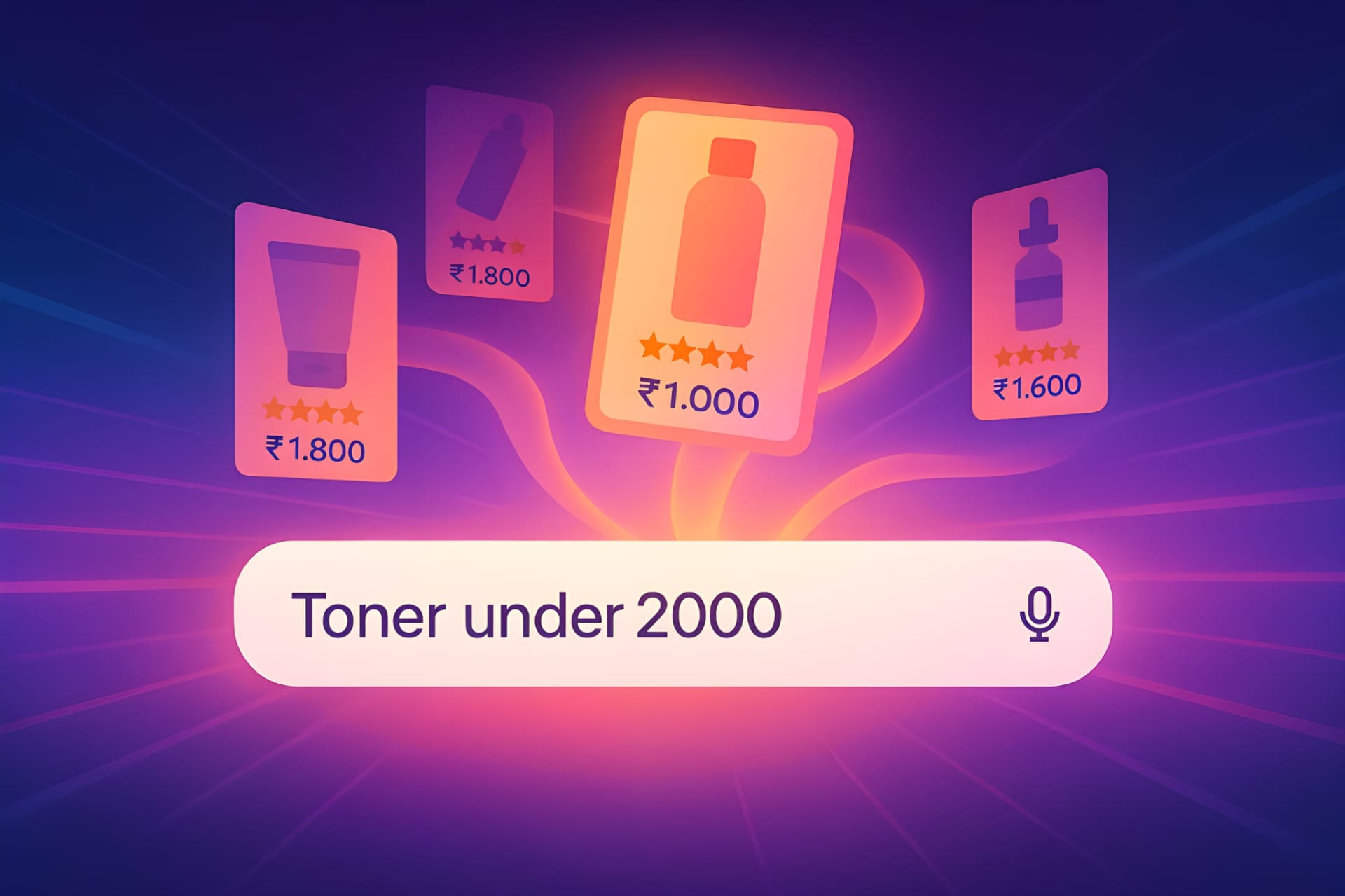
Real Example: Finding Earbuds Under ₹2000
Instead of browsing dozens of generic posts, ChatGPT’s browsing tool—might search:
Earbuds under 2000 site:digit.in
Why? Because Digit.in is a highly trusted source. This query instantly filters out junk and delivers authoritative, AI‑rated content that’s more likely to be used in AI-generated responses .
If your product isn’t featured on trusted platforms like Digit, 91mobiles, or NDTV Gadgets360, it’s invisible to both people and AI.
This Applies to All D2C Categories
Whether you sell earbuds, serums, supplements, or decor, your product faces the same AI filter funnel. Visibility depends on:
Being cited by authoritative sources
Being referenced consistently across formats
Featuring in structured, up-to-date content
The AEO Playbook: How to Be the Default Answer
Here’s how top D2C brands are winning in 2025:
1. Be Present on Trusted Domains
Pitch your product to be included in “Top 10” or “Best of” listicles on niche authority sites—e.g., Digit, 91mobiles, NDTV Gadgets360 for tech, or Popxo and Vogue India for beauty. These are prime sources for AI‑scraped answers.
This makes your content machine-readable and more usable by AI engines.
3. Create Use‑Case Content
Optimize for real queries:
“Best earbuds for gaming under ₹2000”
“Face serum for humid Indian summers”
“Bedsheets under ₹1,000 for hot weather”
AI Systems prioritize answers aligned with conversational intent and structured content.
4. Build Cross‑Platform Validation
Ensure your product appears consistently across:
Your site
Trusted editorial platforms
YouTube & Shorts
Marketplaces (Amazon, Flipkart, Nykaa)
Social and forums
This cross-domain consistency is a strong credibility signal for AI.
TL;DR — It’s Not Just Visibility. It’s Trust by Design
In the era of AI-led discovery, you’re not just competing for clicks—you’re competing for context and credibility. Think like an AI:
Is your product structured for machines?
Covered by trusted third-party reviews?
Consistent across platforms and refreshed with real user feedback?
If yes, you’re not just showing—you’re being chosen.
🍩 Social Donut POV
We help D2C brands move from “just being listed” to becoming the default answer. With comprehensive AEO strategies—structured data, content funnels, reviews, and trusted placements—we build AI-ready ecosystems that convert.
Your product deserves to be found by humans and algorithms alike.
In a world saturated with polished advertising and algorithmic targeting, the brands that truly resonate aren’t necessarily the loudest ones. They’re the ones that make you feel like you’re part of something exclusive—a knowing wink, a reference that hits perfectly, a moment where you think “they get me.” This is the essence of community-driven branding: creating connection through shared understanding.
From Broadcasting to Building Belonging
Traditional branding operated on a broadcast model—craft one message and blast it to everyone. Today’s most successful brands have shifted to a belonging model, creating spaces, symbols, and language that feel like secret handshakes with their audience.
Modern consumers don’t want to be treated as passive recipients of marketing messages. They want to feel like insiders, collaborators, and community members who share in something meaningful.
Consider these examples of brands that have mastered this approach:
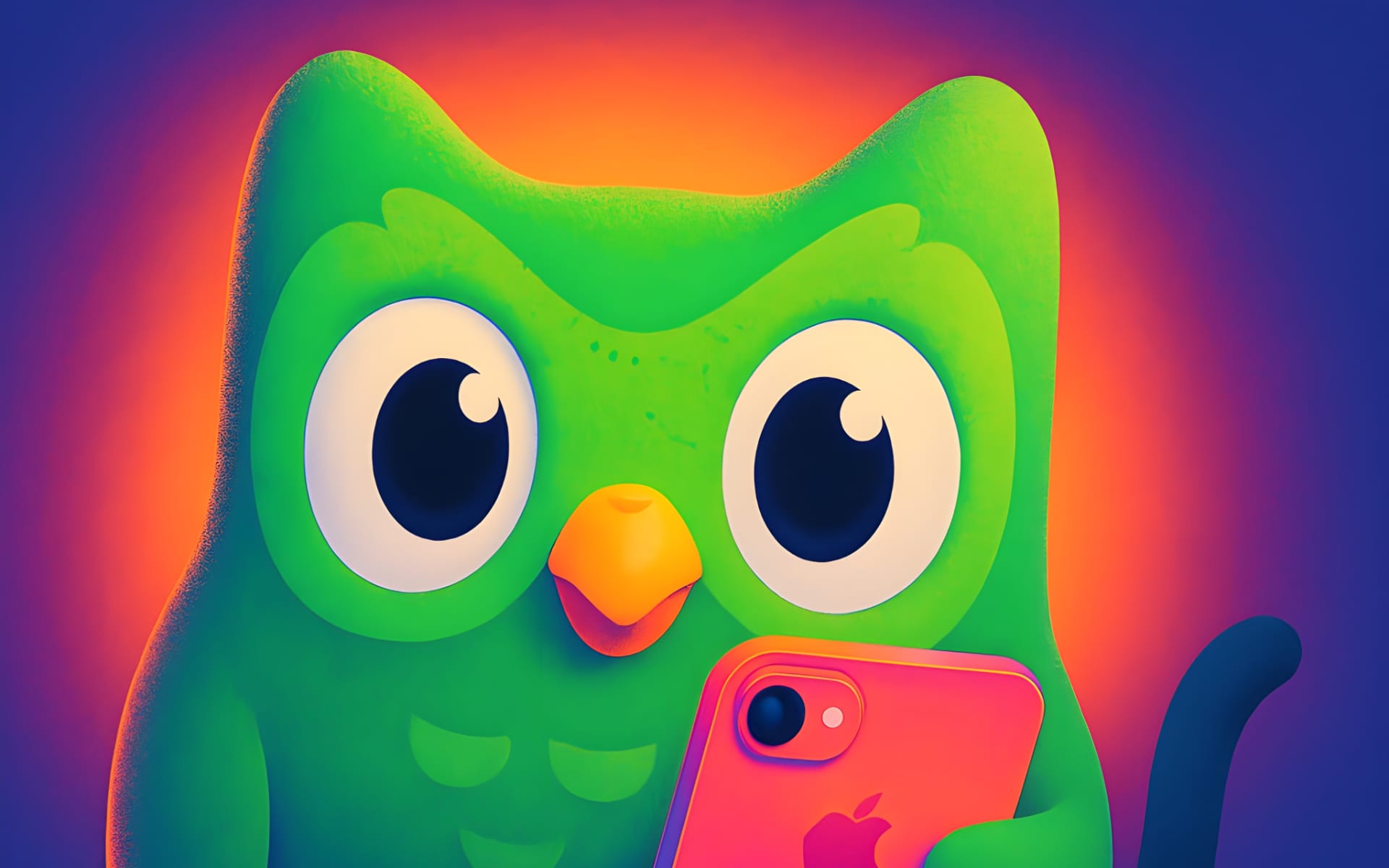
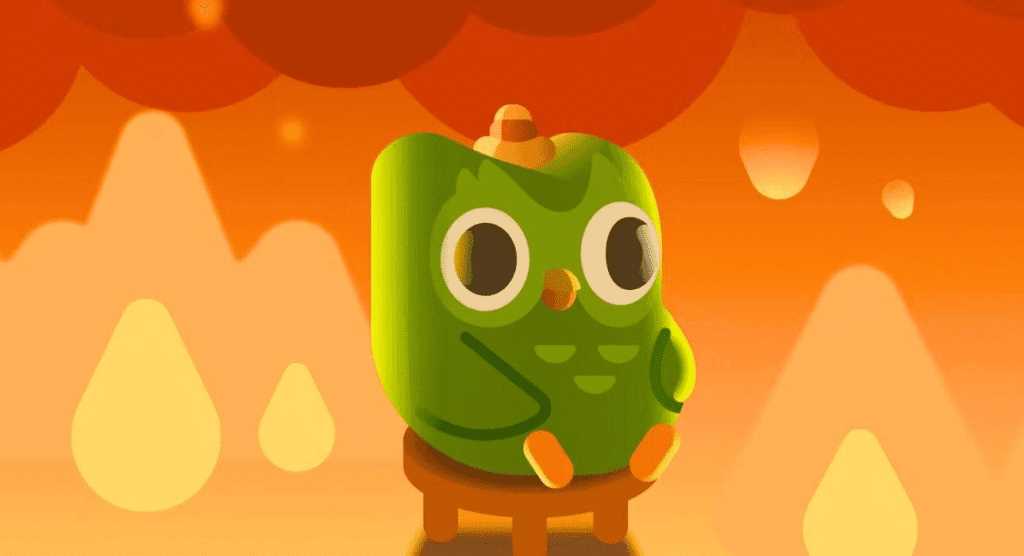
Duolingo transformed language learning by embracing chaos and memes. Their passive-aggressive owl mascot became a cultural phenomenon because they understood their audience’s relationship with procrastination and guilt. The brand doesn’t just teach languages; it creates shared experiences around the struggle of learning.
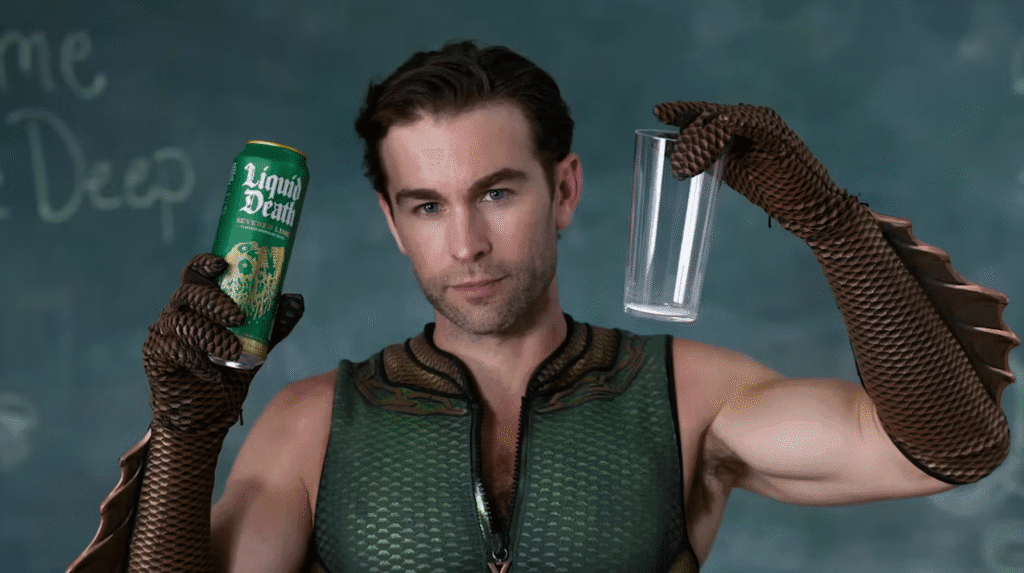
Liquid Death sells water with death-metal aesthetics. This shouldn’t work, but it does because they understand their audience’s desire to rebel against wellness culture while still making healthy choices. The brand is the joke, and customers are in on it.
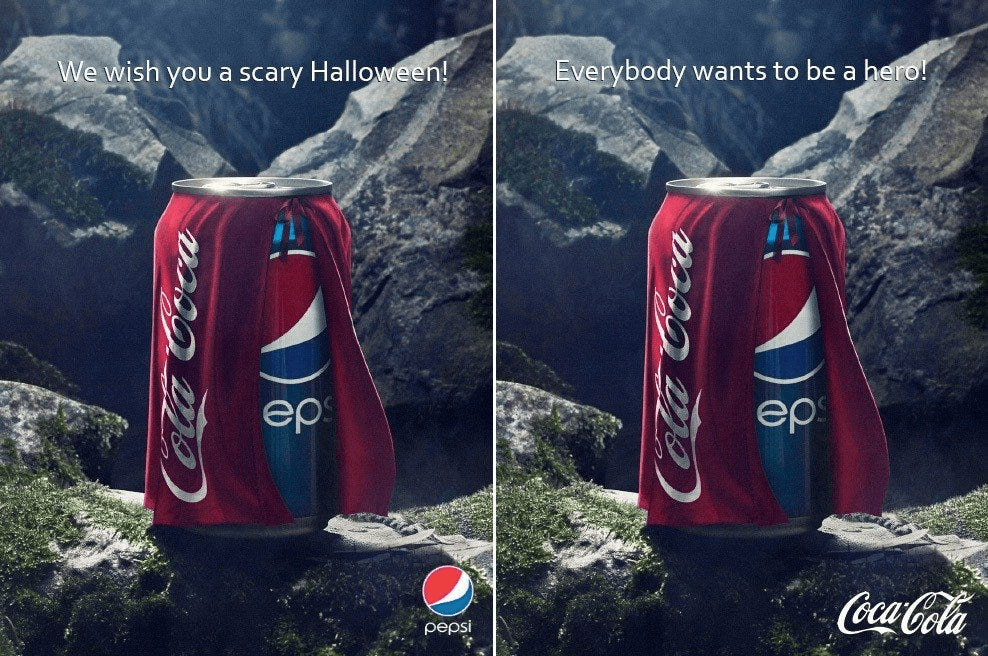
These brands have transcended traditional marketing to become cultural touchstones.
The Anatomy of an Inside Joke Brand
Authentic Language Ditch corporate speak for conversation that feels natural to your community. Use the phrases, references, and tone that your audience actually uses. This doesn’t mean being unprofessional—it means being genuinely relatable.
Intentional Imperfection Perfect polish can feel sterile and distant. Strategic imperfections—quirky design elements, playful interactions, unexpected details—make brands feel human and approachable. These elements shouldn’t feel accidental; they should feel intentionally crafted for those who notice.
Community-Centric Content Make your audience the hero of your story. Share their creations, amplify their voices, and let them help shape your brand narrative. When people see themselves reflected in your brand, they become invested in its success.
Shared Rituals and References Develop recurring themes, mascots, or phrases that become part of your community’s shared vocabulary. These elements create continuity and help people feel like they belong to something ongoing and meaningful.
Why This Approach Creates Lasting Value
Emotional Loyalty Trumps Transactional Relationships When people feel emotionally connected to a brand, they become resistant to competitive offers. They’re not just buying a product; they’re maintaining a relationship that feels personally significant.
Authenticity Creates Differentiation While competitors can copy your features, pricing, or even your marketing tactics, they cannot replicate the genuine relationships you’ve built with your community. Authentic brand connections create sustainable competitive advantages.
Organic Growth Through Genuine Advocacy When people feel genuinely connected to a brand, they share it naturally as part of their self-expression. This organic advocacy is more credible and cost-effective than paid promotion because it comes from authentic enthusiasm rather than financial incentive.
Building Your Brand’s Inside Jokes
Listen Before You Speak Spend time genuinely understanding your community’s language, frustrations, aspirations, and humor. Monitor social media conversations, engage in forums, and pay attention to how people naturally talk about your industry and their experiences.
Identify Your Community’s Shared Experiences What challenges, victories, or quirks do your audience members have in common? These shared experiences become the foundation for inside jokes and community bonds.
Create Space for Community Expression Design your brand systems to accommodate community creativity. This might mean flexible visual guidelines that allow for user-generated content, or social media strategies that encourage audience participation rather than passive consumption.
Embrace Vulnerability and Authenticity Share your brand’s imperfections, behind-the-scenes moments, and genuine perspectives. Authenticity creates permission for your audience to be authentic in return, deepening the relationship.
Iterate Based on Community Feedback Pay attention to how your community responds to different approaches. The best inside jokes evolve naturally through interaction and shared refinement.
The Long-Term Impact
Brands that successfully create inside joke relationships with their audiences achieve something remarkable: they become part of their customers’ identity. People don’t just buy from these brands; they represent them, defend them, and evangelize for them.
This shift from transactional to relational branding requires patience and genuine commitment to community building. It’s not about manipulating emotions for short-term gains, but about creating authentic connections that benefit everyone involved.
The brands that will thrive in the coming years won’t just capture attention—they’ll cultivate belonging. They won’t just sell products—they’ll create meaning. And they won’t just have customers—they’ll have communities that feel like home.
In a marketplace crowded with perfect polish and algorithmic precision, the brands that dare to be genuinely human, authentically imperfect, and consistently caring will be the ones people remember, recommend, and remain loyal to over time.
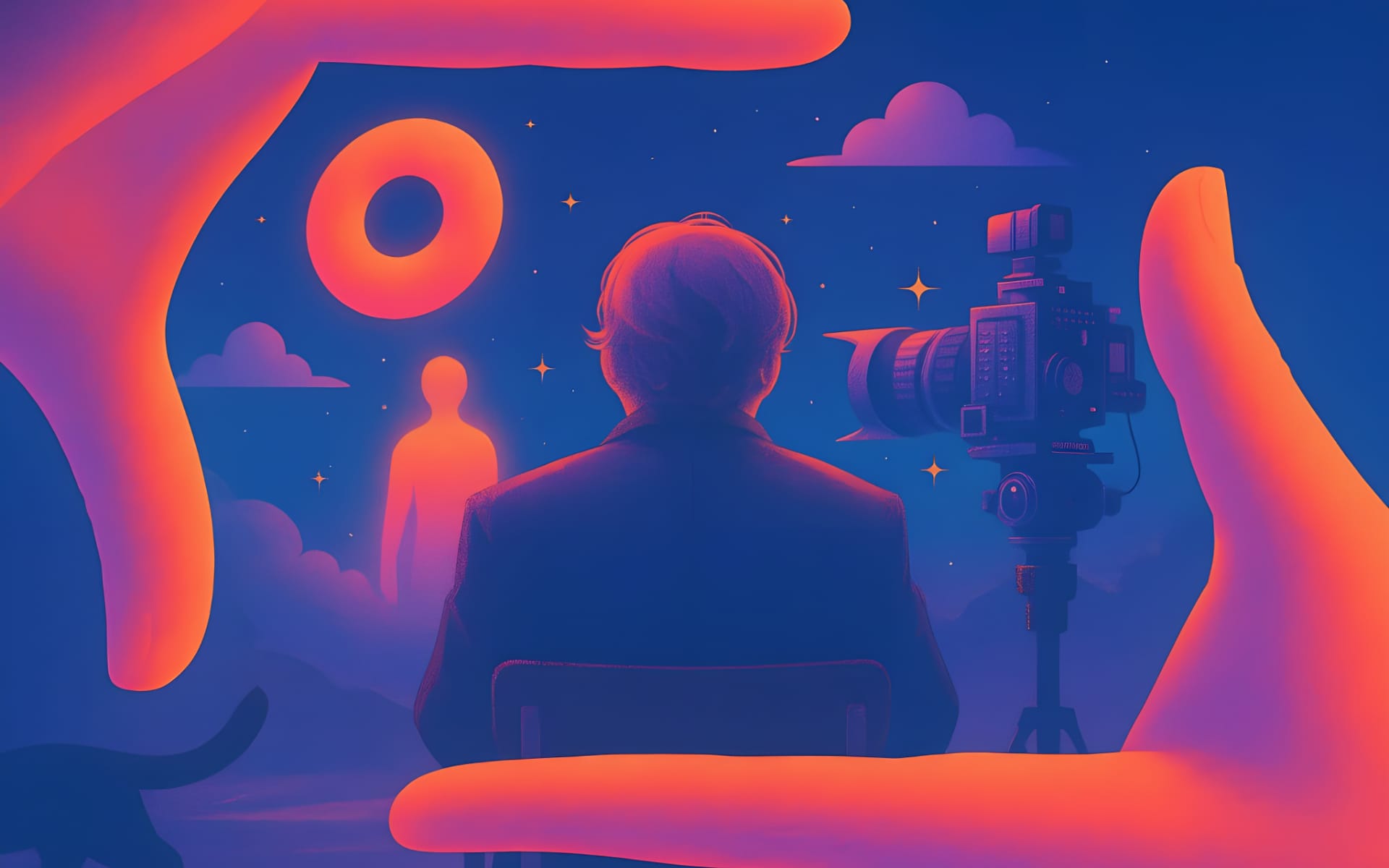
The design world is experiencing a quiet revolution. While we’ve spent decades perfecting the art of visual composition, color theory, and aesthetic hierarchy, today’s most successful designers are thinking less like traditional graphic designers and more like film directors. This shift represents a fundamental evolution in how we approach creative problem-solving in an increasingly dynamic, interconnected world.
The Director’s Lens
Film directors don’t just create beautiful images—they orchestrate experiences that unfold over time. Every frame serves a larger narrative purpose, every scene builds emotional momentum, and every creative decision considers the audience’s journey from beginning to end. Directors understand that their job isn’t to create a single perfect moment, but to guide viewers through a transformative experience.
This temporal thinking is what separates directorial design from traditional graphic design. Where graphic designers have historically focused on optimizing individual touchpoints—the perfect poster, the compelling advertisement, the balanced layout—directors think in sequences, arcs, and journeys.
Beyond the Single Frame
Traditional graphic design emerged from print media, where the immediate impact of a static composition measured success. Can you communicate the message clearly? Does the hierarchy guide the eye effectively? Is the aesthetic appropriate for the brand? These remain important questions, but they’re no longer sufficient.
In today’s multi-touchpoint world, users don’t encounter brands through single interactions. They discover a company through social media, research on the website, try the product, engage with customer service, and potentially become advocates who share their experience with others. Each of these moments is a scene in a larger story, and the quality of that story determines the success of the entire experience.
Consider how Netflix approaches design. Their interface isn’t just visually appealing—it’s choreographed to create a viewing journey. The autoplay previews, the algorithmic recommendations, the way content is categorized and presented—every element serves the larger narrative of helping users discover and enjoy content. This is directorial thinking applied to digital design.
The Art of Pacing and Rhythm
Directors understand that timing is everything. They know when to build tension, when to provide relief, when to reveal information, and when to let moments breathe. This sensitivity to pacing translates directly to modern design challenges.
A well-designed onboarding experience, for instance, mirrors the pacing of a good film. It doesn’t overwhelm users with every feature at once (that would be like cramming all the plot points into the first scene). Instead, it reveals functionality progressively, building confidence and understanding at each step. The best onboarding experiences feel effortless because they respect the user’s emotional and cognitive journey.
Apple’s product launches demonstrate this principle beautifully. Each presentation is structured like a film, with careful pacing that builds anticipation, reveals features at precisely the right moments, and creates emotional peaks that audiences remember. The design of the presentation itself—from the staging to the slides to the product demos—serves the larger narrative of desire and aspiration.
Constraints as Creative Catalysts
Film directors are intimately familiar with constraints. They work within budgets, shooting schedules, location limitations, and technical restrictions. Rather than seeing these as obstacles, experienced directors use constraints as creative catalysts that force innovative solutions and focused storytelling.
This constraint-based thinking is invaluable for modern designers. Whether it’s technical limitations, budget restrictions, or regulatory requirements, constraints force designers to prioritize what truly matters. A director’s mindset helps you ask: “Given these limitations, what’s the most important story we need to tell, and how can we tell it most effectively?”
The most successful startups often demonstrate this principle. With limited resources, they can’t create perfect experiences across every touchpoint. Instead, they identify the most critical moments in their user journey and design those exceptionally well, creating a compelling narrative even within significant constraints.
Emotional Architecture
Directors are architects of emotion. They understand that audiences don’t just process information—they feel their way through experiences. Every scene is designed to evoke specific emotional responses that serve the larger story being told.
Modern designers must think similarly about emotional architecture. A checkout process isn’t just a series of forms—it’s a moment of vulnerability where users must trust your brand with their personal and financial information. The design should acknowledge this emotional reality and create appropriate feelings of security and confidence.
Airbnb exemplifies this approach. Their entire platform is designed around the emotional journey of travel—from the excitement of discovery to the anxiety of booking with strangers to the joy of unique experiences. Every design decision, from photography standards to messaging tone, serves this emotional narrative.
Collaboration and Vision
Film directors don’t work alone. They collaborate with cinematographers, editors, sound designers, actors, and countless other specialists. Yet they maintain a unified vision that guides all creative decisions. This balance between collaboration and creative leadership is essential for modern design challenges.
Today’s design problems are too complex for any individual to solve alone. They require input from user researchers, engineers, product managers, marketers, and business stakeholders. Like directors, designers must learn to synthesize diverse perspectives while maintaining a coherent vision for the user experience.
The most successful design teams operate like film crews—each specialist contributes their expertise while serving a shared creative vision. The designer’s role becomes less about executing every detail and more about orchestrating a team toward a common goal.
The Systems Perspective
Directors think in systems. They understand how individual scenes connect to create acts, how acts build toward climaxes, and how everything serves the overall narrative structure. This systems thinking is crucial for modern design challenges that span multiple products, platforms, and touchpoints.
Brand design today requires this systematic approach. A company’s identity isn’t just a logo and color palette—it’s a coherent system that expresses itself differently across various contexts while maintaining core consistency. Like a film franchise, successful brands create design systems that can adapt to new situations while preserving their essential character.
Google’s Material Design system demonstrates this principle. Rather than dictating specific solutions, it provides a design language that can be applied across countless applications while maintaining visual and experiential consistency. This is directorial thinking scaled to organizational level.
Embracing the Temporal Nature of Experience
Perhaps the most fundamental shift in adopting a director’s mindset is embracing the temporal nature of modern design challenges. Static solutions are increasingly inadequate for dynamic problems. Users don’t just see designs—they move through them, interact with them, and form relationships with them over time.
This temporal thinking changes how we approach everything from website design to service experiences. Instead of optimizing individual pages or touchpoints, we design journeys. Instead of creating perfect static compositions, we choreograph sequences of interactions that build toward meaningful outcomes.
The future belongs to designers who can think like directors—who understand that their job isn’t just to make things look good, but to guide audiences through transformative experiences. This doesn’t mean abandoning the principles of good visual design, but expanding beyond them to embrace the full complexity of human experience.
In a world where every interaction is part of a larger story, the designers who succeed will be those who can direct that story with intention, empathy, and skill. The screen is no longer a canvas—it’s a stage. And every designer is now, in some sense, a director.
This website uses cookies to ensure you get the best experience on our website.